
The Enduring Work of Restraint
I ChingThis flow traces restraint as a recurring response to danger, success, desire, and political power across the book's changing situations.
increasing Bearing strength in each event
 decreasing
Bearing strength in each eventdecreasingWaiting Is Chosen Over Force

Restraint Before Danger
Strength faces a perilous stream
Waiting presents a strong subject confronted by danger. Instead of advancing immediately, the subject waits until success is more assured.
Legge treats patience as a deliberate course, not mere inactivity.
Timing protects effort
The figure establishes restraint as a way to preserve strength for the moment when action can work. The dangerous crossing remains possible, but not yet advisable.
The theme begins by making delay an intelligent decision.
A Small Restraint Will Not Last Forever
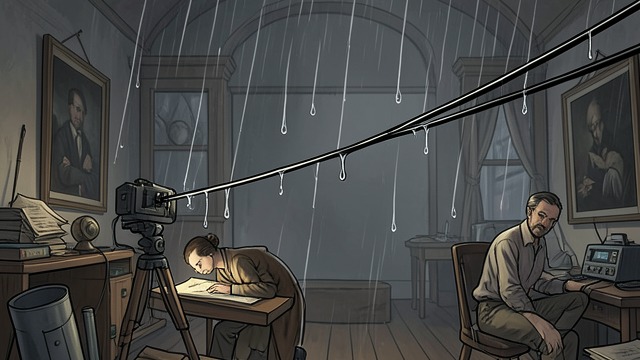
A Limited Check on Strength
One weak line holds the others
Small Restraint shows a single divided line checking several strong ones. Legge says the restraint is necessarily small and will eventually give way.
The figure recognizes limits rather than imagining total control.
Holding back at the right moment
The rain falls at the topmost line, and further advance must stop. Restraint succeeds until its purpose has been fulfilled; after that, continuing to hold back would become mistaken.
The theme makes restraint situational rather than absolute.
A Ruler Leaves Room for Escape
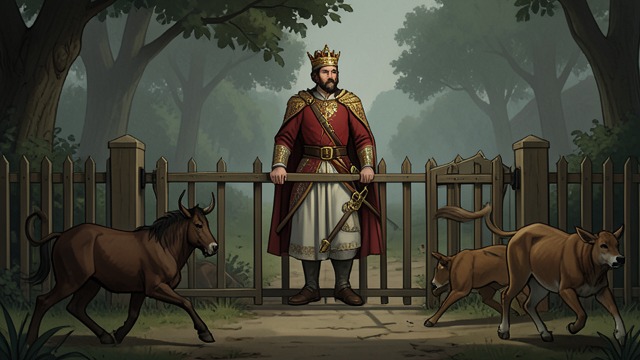
Benevolence Limits Possession
The hunt leaves an opening
The fifth line depicts a king who drives game from only three sides and allows some animals to escape. Legge reads the practice as evidence of royal benevolence.
The ruler has the power to take everything but chooses not to.
Restraint creates trust
Subjects do not need to warn one another against such a king because his conduct is already understood. Limiting force makes political union more credible.
The theme connects self-restraint with the trust of a community.
A Ruler's Own Rules Must Be Moderate
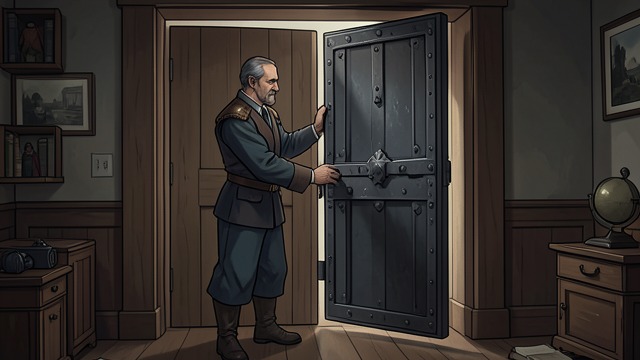
Discipline Can Become Oppression
Rules grow too severe
The final line of Regulations warns that harsh rules will bring evil even when imposed with firmness. Legge says such severity cannot last.
A ruler can turn regulation into a new source of disorder.
Correction remains possible
The text allows regret to disappear if the ruler changes course. Restraint applies to the authority that makes rules as much as to those who must obey them.
The theme gives moderation a place in governance.
The Successful Person Knows When to Stop
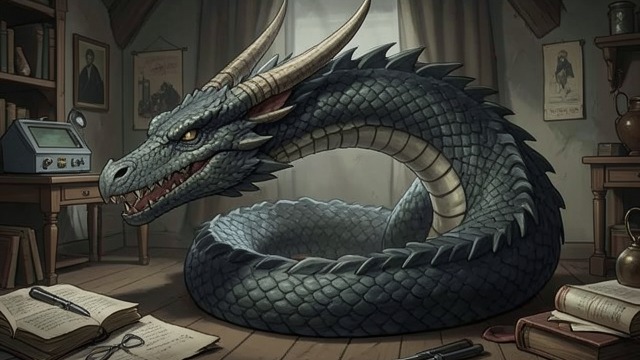
The Final Limit of Power
Strength has completed its work
The topmost dragon has exceeded the proper limits after traversing the full sphere of its activity. Legge says the time has come for the ruler to relax.
The danger arises from refusing to stop.
Restraint preserves what was gained
The bow cannot remain drawn forever, and force cannot remain the only instrument of action. Humility replaces haughtiness as the condition of renewed good fortune.
The theme resolves in a central discipline: achievement must be followed by restraint.
At the opening of Waiting
At the opening of Small Restraint
At the fifth line of Union
At the topmost line of Regulations
At the closing line of the first hexagram
